Trade Show Marketing · 6 Min. Read
Trade Show Promotional Products: What Gets Remembered — and What Gets Left Behind
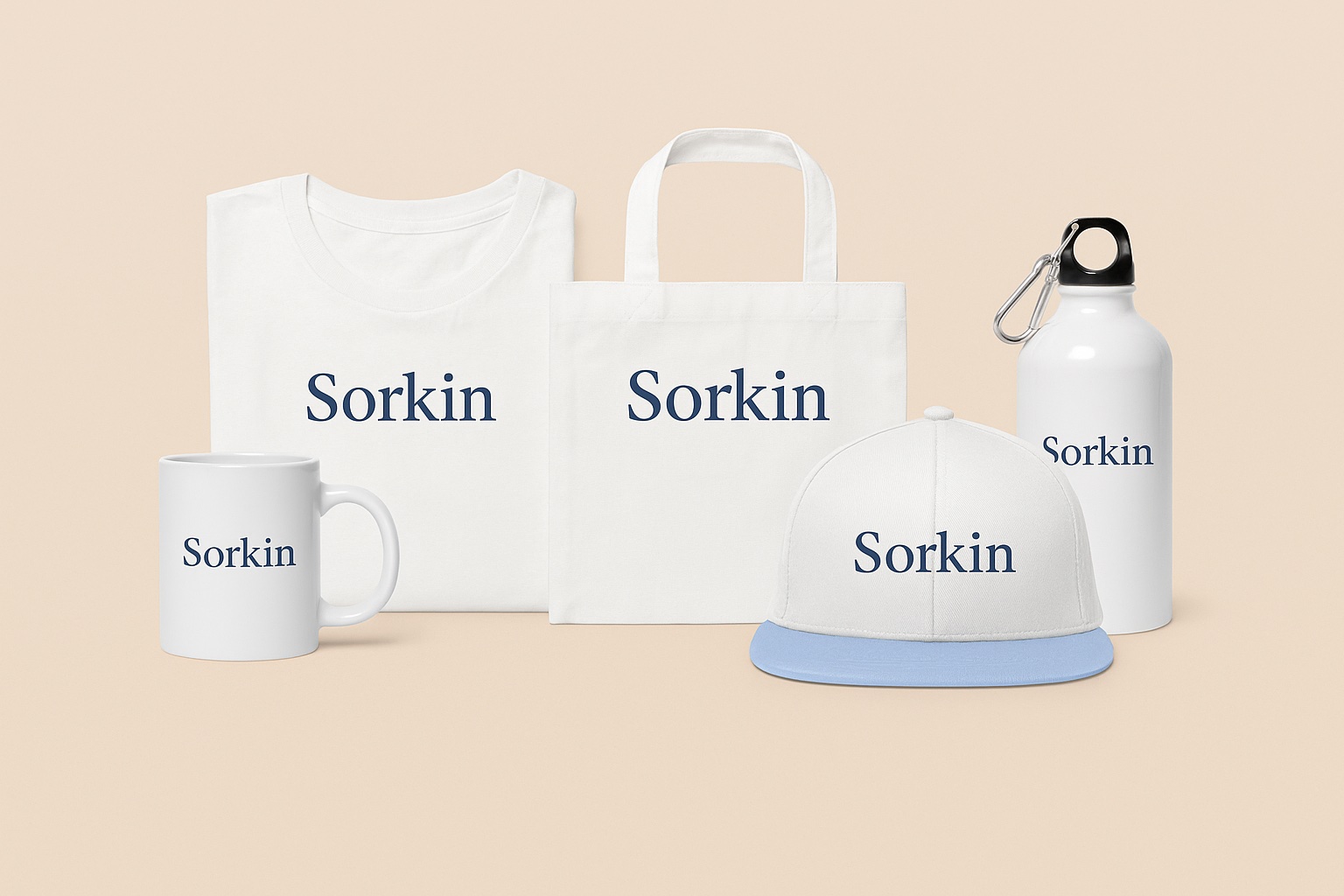
Trade show promotional products are produced in volume and ignored in volume. Most end up in the tote bag on day one, forgotten in the hotel room on day two, and in the trash by day three. Understanding why this happens — and what works instead — is one of the highest-leverage decisions a B2B marketing team can make before a show.
The Problem With Standard Trade Show Giveaways
At a large B2B trade show, the average attendee picks up between 20 and 40 promotional items — pens, notebooks, USB drives, tote bags, brochures, candy. All useful. All interchangeable. None memorable. The problem isn’t the budget or the quality of any individual item. The problem is the principle. Promotional products that are only useful don’t get connected to the brand that gave them. They get used and forgotten.
The real goal of a trade show promotional product isn’t utility. It’s recall. The attendee needs to know — weeks after the show — which booth that item came from. That only happens when the product creates a moment: a concrete, physical moment that surprises, that invites interaction, that stays in memory. Standard giveaways don’t create that moment. Dimensional promotional products do.
What Makes a Good Trade Show Promotional Product
Three criteria determine whether a promotional product does its job. The first is the interaction moment: the item must trigger a physical reaction — the recipient has to do something, touch it, unfold it, open it. Passive items that are only looked at leave no impression. Active items that are handled and manipulated anchor themselves in memory. The second criterion is desk presence: a pen stays on a desk for weeks — but it doesn’t get associated with the booth that gave it. A pop-up cube mailer that springs open gets shown to colleagues, ends up on a desk, and gets opened again. That’s active brand presence at zero additional media cost. The third criterion is message: the item has to carry the core brand message. Format, finishing, and content have to work together and communicate who’s behind it within three seconds of opening.
Trade show promotional products account for 35% of the nearly 7 billion spent on promotional products annually in the US — that’s how seriously B2B companies take this channel. The question isn’t whether to invest. It’s whether the investment is going to the right formats.
Formats That Actually Work at Trade Shows
The pop-up cube mailer is the strongest single format for trade show use. It springs automatically into a three-dimensional form when opened — no explanation needed, no setup required. This surprise moment happens exactly when the attendee is most receptive: right at the booth, in their hands. Pop-up cube mailers get passed around, end up on desks, and create multiple brand touchpoints from a single piece.
The endless fold card works particularly well as a pre-show mailer and as a leave-behind after the conversation. Four fully printable panels in a continuous loop — the recipient keeps folding and engaging with the content. Show invitation, program overview, product highlights, and call-to-action across four panels.
The video brochure is the format for complex or high-value products. When opened, an embedded video starts automatically — no QR code, no smartphone, no app. The combination of print and moving image generates attention that no other format in this category can replicate. Ideal for product launches, technology presentations, and high-ticket services.
Before, During, and After the Show
The biggest mistake with trade show promotional products is limiting them to the booth itself. A promotional item used only at the show wastes two-thirds of its potential. The strongest impact comes from three coordinated touchpoints.
Before the show, a direct mailer does the heavy lifting: an endless fold card or pop-up cube mailer sent to target contacts increases the likelihood they’ll actively seek out your booth. Someone who held a physical object from you will look for you on the show floor — that’s not coincidence, it’s a documented behavioral pattern. At the show, the interaction moment is front and center: the pop-up cube at the booth, the video brochure in the conversation, the fan card as a leave-behind. After the show, the follow-up mailer keeps the contact warm: a slat card with a before-and-after effect, a personalized endless fold card referencing the conversation, or a video brochure summary — the signal that the contact is being taken seriously.
Production & Minimum Order
All Sorkin products are available from 50 units — suited for smaller shows or targeted VIP outreach. Production lead time is 12–14 business days from print approval. Direct mailing to your contact list or delivery to the show venue available.
Planning & Lead Times
The most common mistake in trade show promotional product planning is briefing too late. Starting four weeks before the show still gets you a result — but not an optimal one. Six to eight weeks gives you time for a proper briefing, a sample round, print approval, and buffer for corrections.
The rough timeline: eight weeks before the show, start the briefing — format, content, quantity, delivery logistics. Six weeks out, sample approval and print sign-off. Four weeks before the show, production begins. Two weeks before the event, the pre-show mailer is in transit. One week before, delivery to the warehouse or directly to the show hall is complete. Follow this timeline and you’ll arrive at day one with a promotional product that has already been generating conversations — before the doors open.
Trade show promotional products are not a line item that gets figured out at the end of the planning process. They are a strategic decision that determines how many of your hard-won show contacts still remember you three weeks later. Choose the right format, deploy it across all three phases, and you’ll get significantly more out of the same trade show investment.
Frequently Asked Questions
What are the best promotional products for trade shows?
Promotional products that create tactile interaction generate significantly higher brand recall than standard giveaways. Pop-up cube mailers, endless fold cards, and video brochures create a surprise moment that gets connected to your brand. The key metric isn’t cost per unit — it’s cost per recall.
How early before a trade show should promotional products be ordered?
At least 4–5 weeks before the show date, including briefing and print approval. For pre-show direct mail campaigns targeting attendees before the event, plan 6–8 weeks ahead.
What is the difference between a trade show giveaway and a trade show mailer?
A giveaway is handed out at the booth. A mailer is sent before or after the show. Both work together — the pre-show mailer drives booth traffic, the giveaway anchors the brand in the conversation, the follow-up mailer keeps the contact warm post-event.
What is the minimum order quantity for trade show promotional products?
All Sorkin products are available from 50 units — suited for smaller shows, targeted VIP outreach, or testing a new format before scaling.
How long does production take?
Production lead time is 12–14 business days from print approval. Direct mailing to your contact list or delivery to the show venue is available as a complete service.
Can I combine multiple formats for one trade show?
Yes — and that’s often the most effective strategy. Endless fold card as the pre-show mailer, pop-up cube at the booth, video brochure in the conversation, slat card as the follow-up. Each format takes a defined role in the funnel.